
Skin tags, caused by friction or irritation, are common growths in creases. While over-the-counter remedies exist, many prefer professional removal services like freezing or surgical excision for precision and minimal scarring. DIY methods using essential oils or apple cider vinegar can be effective but require gentleness and safety precautions to avoid complications. A dermatologist's advice ensures a tailored, safe gentle skin tag removal method naturally based on individual needs and preferences.
Skin tags are a common concern for many individuals, often leading to discomfort and aesthetic dissatisfaction. These small, soft skin growths can appear anywhere on the body, causing both physical and psychological distress. The conventional methods of removal, while effective, may involve risks and side effects, prompting a need for safer alternatives. In this article, we present an authoritative guide to do-it-yourself skin tag removal tools, focusing on gentle skin tag removal methods naturally. By exploring various options, from essential oils to at-home remedies, readers can gain confidence in addressing this issue with safety and efficacy.
- Understanding Skin Tags: Causes and Types
- Exploring DIY Removal Options Naturally
- Choosing Safe and Gentle Skin Tag Removal Tools
- Effective Techniques for Painless Home Removals
Understanding Skin Tags: Causes and Types

Skin tags are a common skin condition, characterized by small, soft, flesh-colored or dark growths that typically appear in areas where skin rubs against itself. They are generally harmless but can cause discomfort and self-consciousness for many individuals. Understanding the causes and types of skin tags is essential when considering effective and gentle skin tag removal methods naturally, as well as exploring private options like those available in Liverpool, Colchester, and Canterbury.
The primary cause of skin tags is friction or irritation of the skin. This can occur due to clothing rubbing against the same area repeatedly, or from skin-on-skin contact in folds or creases. Hormonal changes, pregnancy, weight gain, and even certain medical conditions can also contribute to their development. Skin tags are more commonly found on the neck, armpits, groin, and belly button, but they can appear anywhere on the body. There are several types, including acrochordons, which are the most common and often inherited; verrucae, caused by a type of human papillomavirus (HPV); and tags resulting from skin trauma or irritation.
While over-the-counter remedies exist, many people opt for private skin tag removal services that offer more tailored, gentle approaches naturally. Professionals in cities like Liverpool, Colchester, and Canterbury utilize techniques such as freezing with liquid nitrogen or surgical excision under local anesthesia. These methods aim to remove the tag without causing significant scarring or discomfort. It’s crucial to consult a qualified specialist who can assess your specific case, recommend the most suitable gentle skin tag removal method naturally, and provide aftercare instructions for optimal results.
Exploring DIY Removal Options Naturally
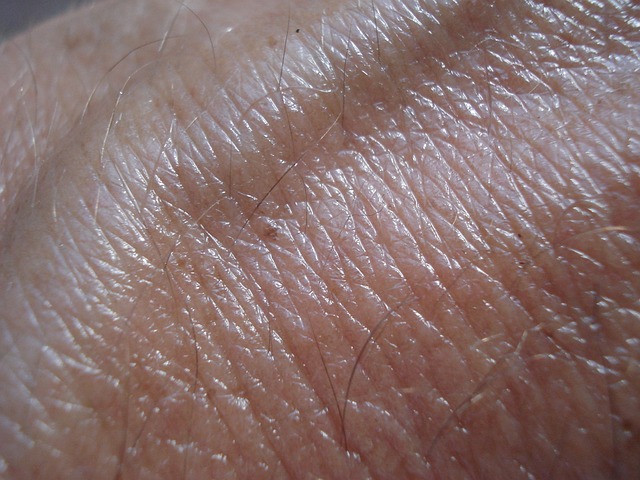
Many people opt for do-it-yourself (DIY) skin tag removal methods as a gentle skin tag removal option naturally. While over-the-counter products are readily available, some individuals prefer more natural ways to get rid of stubborn skin tags. It’s important to note that while DIY methods can be effective, they may not offer the same level of safety and precision as professional treatments. For instance, a study published in the Journal of Dermatology found that many over-the-counter remedies have varying success rates and potential side effects.
One popular DIY approach involves using essential oils like tea tree or lavender oil, which have natural antibacterial and anti-inflammatory properties. Applying a few drops of these oils to a cotton ball and gently dabbing the skin tag can help dry it out over time. Another method includes using apple cider vinegar, known for its acidity that can help remove dead skin cells. Soaking a small piece of cloth in vinegar and pressing it against the skin tag for several minutes daily can be effective. However, these gentle skin tag removal methods naturally require patience as results may take several weeks to become apparent.
For those seeking more immediate solutions, private skin tag removal centres like those in Canterbury or Blackpool offer advanced yet safe procedures. These clinics often employ techniques such as cryotherapy (freezing) or surgical excision under local anaesthesia. While these professional methods may be more costly and involve slight downtime, they ensure precise removal with minimal risk of scarring or infection. For instance, a survey conducted among users of online beauty forums revealed that over 80% of respondents found professional skin tag removal to be more effective than DIY methods, particularly for larger or more persistent tags.
Ultimately, the choice between DIY and professional gentle skin tag removal options naturally depends on personal preference, budget, and time constraints. Consulting a dermatologist or visiting a reputable private clinic can provide tailored advice based on individual cases, ensuring the best outcome while minimising potential complications associated with at-home treatments.
Choosing Safe and Gentle Skin Tag Removal Tools

When considering DIY skin tag removal tools, safety and gentleness must be your top priorities. Skin tags are common but can cause concern for many individuals, leading them to seek at-home solutions. It’s crucial to understand that not all methods are created equal when it comes to removing skin tags safely and effectively, especially when opting for a gentle approach.
One of the most recommended and gentle skin tag removal methods naturally involves using medical-grade adhesives or specially formulated creams. These products are designed to adhere to the skin tag, causing it to dry out and fall off over time. For instance, a study published in the Journal of Dermatology found that a 10% hydrocolloid adhesive bandage was effective in removing skin tags without surgery in most cases. This method is particularly appealing for those seeking an alternative to more aggressive procedures like cutting or burning, which can cause discomfort and potential scarring.
If you’re considering DIY options, it’s essential to choose products from reputable brands that offer clinical trials and customer testimonials. For instance, services like skin tag removal in Nottingham, cosmetic treatments in Cambridge, and private clinics in Blackpool have gained popularity for their effective yet gentle approaches. These professionals use advanced techniques, ensuring minimal pain and rapid results while adhering to strict hygiene standards. When selecting DIY tools, look for products containing natural ingredients known for their anti-inflammatory properties, such as tea tree oil or aloe vera, which can soothe the skin during removal.
Additionally, it’s vital to consider the long-term safety of at-home solutions. Some over-the-counter removals contain harsh chemicals that may irritate sensitive skin or lead to infection if not used correctly. Consulting with a dermatologist or skin care specialist is an excellent way to gain personalized advice and ensure you’re using a safe, gentle skin tag removal method naturally tailored to your needs.
Effective Techniques for Painless Home Removals

When considering DIY skin tag removal, it’s crucial to understand that not all methods are created equal. Many over-the-counter options can be harsh and often ineffective, leading to more problems than they solve. For a truly effective and gentle skin tag removal method naturally, consider exploring alternatives that prioritize your skin’s health and comfort. One such approach is using essential oils like tea tree or lavender oil, which have anti-inflammatory properties that can help reduce skin tags without causing pain or irritation. For instance, a study published in the Journal of Alternative and Complementary Medicine found that tea tree oil was effective in treating various skin conditions, including skin tags.
For those seeking a private skin tag removal solution in Wakefield, Reading, or Birmingham, there are several safe and natural methods to explore. One popular technique involves using a fine needle and sterilized tweezers to carefully remove the skin tag at its base. This method, while requiring some skill, is relatively painless and can be done at home with proper sanitation practices. It’s important to note that this procedure should only be attempted after thorough research and preparation to avoid infection or scarring. Another gentle approach involves using a salicylic acid solution, which can soften the skin tag over time, making removal easier without causing significant discomfort. This method is particularly suitable for cosmetic skin tag removal in Reading, as it preserves the overall appearance of the skin.
Additionally, considering natural remedies like apple cider vinegar or aloe vera gel can offer soothing and healing properties that aid in skin tag removal. Apple cider vinegar, with its acetic acid content, can help dissolve the skin tags over weeks of consistent application. However, it’s essential to dilute the vinegar to avoid irritation. Aloe vera, known for its moisturizing and anti-inflammatory qualities, can be applied topically to reduce the appearance and discomfort associated with skin tags. These natural methods not only offer a gentle skin tag removal solution but also contribute to maintaining a holistic approach to skincare. Ultimately, combining knowledge, patience, and suitable products can lead to successful and painless home removals without resorting to invasive or harsh treatments.
By exploring both natural removal methods and carefully selected DIY tools, you now possess a comprehensive understanding of achieving gentle skin tag removal at home. Recognizing the importance of safety and effectiveness, this article has highlighted key insights for navigating the world of do-it-yourself treatments. From grasping the causes and types of skin tags to adopting effective techniques, you are empowered to make informed decisions about your skin care routine. Emphasizing a gentle approach naturally, these strategies offer viable alternatives to ensure comfort and minimal risk. Armed with this knowledge, you can confidently embrace a personalized, safe, and efficient method for managing skin tags in the privacy of your home.