
Skin tags, benign growths, are treated using gentle methods focusing on safety and comfort. Natural remedies like tea tree oil and apple cider vinegar soften and dissolve tags. Professional services employ cryotherapy or surgical excision for precise removal. At-home care includes exfoliation, hydration, diet, and exercise to prevent tags. Surgical removal is a last resort for extensive, persistent tags. Choose methods tailored to skin sensitivity, tag characteristics, and personal preference for effective, safe gentle skin tag removal naturally.
Skin tags are a common yet often bothersome skin condition, presenting as small, soft bumps that can develop anywhere on the body. While they are typically harmless, many individuals seek effective removal methods for aesthetic or comfort reasons. The debate between gentle vs. harsh removal techniques is a significant consideration, especially with the plethora of available options. This article delves into the intricacies of different skin tag removal approaches, focusing on the benefits and drawbacks of each. We highlight why opting for a gentle skin tag removal method naturally can be the preferred choice for many, ensuring safety, minimal discomfort, and long-lasting results.
- Understanding Skin Tags: Causes and Types
- Exploring Gentle Removal Options Naturally
- The Pros and Cons of Various Harsh Techniques
- At-Home Care: A Gentle Approach to Prevention
- Surgical Options: When is it Necessary?
- Choosing the Best Method for Your Skin's Health
Understanding Skin Tags: Causes and Types

Skin tags are a common skin condition, typically appearing as small, soft, flesh-colored growths or bumps on various parts of the body. They form due to an overgrowth of skin cells and can be caused by several factors, including genetics, hormonal changes, obesity, friction, or trauma to the skin. Understanding these causes is essential when considering removal methods, especially when opting for a gentle approach that caters to sensitive preferences and health considerations.
There are two primary types of skin tags: acral and non-acral. Acral skin tags are most commonly found on the hands and feet, often appearing as small, soft, flesh-colored bumps. They are typically caused by friction or pressure on these areas. Non-acral skin tags, on the other hand, can occur anywhere on the body and may vary in appearance, from small and delicate to larger and more prominent. These non-acral tags are often inherited and run in families, suggesting a genetic predisposition.
When considering removal, it’s crucial to differentiate between benign growths like skin tags and more concerning lesions that might require medical attention. Skin tag removal near me Cardiff or Plymouth, for instance, should be approached differently based on the specific circumstances. While some methods involve harsh treatments, many experts now advocate for gentle skin tag removal methods naturally. This approach prioritizes safety, minimizing discomfort, and avoiding potential complications associated with more aggressive techniques. Safe removal of flesh-colored skin tags can be achieved through various natural remedies or minimally invasive procedures recommended by dermatologists.
Exploring Gentle Removal Options Naturally

When considering skin tag removal, many individuals are increasingly seeking gentle, natural alternatives to harsher procedures. This shift towards more nurturing approaches is driven by a desire for effective yet non-invasive solutions, especially in sensitive areas like the private regions. Gentle skin tag removal methods offer a range of benefits, from minimizing discomfort and potential side effects to providing longer-lasting results when practiced correctly.
One popular gentle option is using essential oils known for their anti-inflammatory properties, such as tea tree oil or lavender oil. Applying these oils directly to the skin tags can help soften and dissolve them over time. For instance, a study published in the Journal of Cosmetic Dermatology found that tea tree oil cream demonstrated significant efficacy in reducing the size and number of skin tags when applied topically. This natural approach is particularly appealing for those seeking private skin tag removal in Plymouth or cosmetic skin tag removal in Bournemouth without the risks associated with more aggressive methods.
Additionally, certain home remedies like apple cider vinegar and castor oil have gained popularity. Soaking a cotton ball in apple cider vinegar and gently applying it to the skin tags can help dissolve them over several weeks. Similarly, castor oil, known for its moisturizing properties, can be applied before bed, then washed off the next morning, aiding in the gradual removal of skin tags. However, it’s crucial to note that while these natural methods are generally safe, they may not be suitable for everyone, and results can vary. For instance, individuals with sensitive skin or specific medical conditions should consult a professional, especially when considering private skin tag removal in Coventry or other areas. Expert advice remains invaluable for ensuring the most appropriate and effective gentle skin tag removal method naturally tailored to individual needs.
The Pros and Cons of Various Harsh Techniques

When considering skin tag removal, a critical factor is the method chosen—gentle versus harsh. Harsh techniques, while often swift, can lead to discomfort, scarring, and potential infection. On the other hand, gentle methods prioritize safety and minimal intervention, making them ideal for sensitive skin. For instance, consider a study published in Dermatologic Surgery that compared excision versus non-surgical removal, revealing higher patient satisfaction and reduced post-procedure complications with gentle, non-invasive approaches.
Harsh techniques like cutting or burning off skin tags can cause pain, bleeding, and permanent damage to the area. For instance, the use of harsh chemicals or sharp objects at home may seem appealing for private skin tag removal in Gloucester or any location, but they run the risk of missing the mark, leading to incomplete removal and potential health risks. Even laser treatments, though effective, can leave hyperpigmentation or require multiple sessions, adding to the overall cost and inconvenience.
In contrast, gentle skin tag removal methods offer a more delicate approach. Natural remedies, such as applying apple cider vinegar or tea tree oil, have shown promising results. These options not only provide relief from skin tags but also promote healthy, balanced skin. Additionally, professional services employing gentle care for sensitive skin tags can be tailored to individual needs. For example, a qualified dermatologist might suggest cryotherapy (freezing) or surgical excision under local anesthesia, ensuring precision and minimal discomfort.
Opting for a gentle skin tag removal method naturally or through expert care in Gloucester not only reduces the risk of complications but also fosters better long-term skin health. This approach is particularly beneficial for those with sensitive skin or a history of skin conditions, prioritizing both aesthetics and comfort. Remember, when it comes to your skin, choosing a safe, effective, and gentle method should always be the top priority.
At-Home Care: A Gentle Approach to Prevention
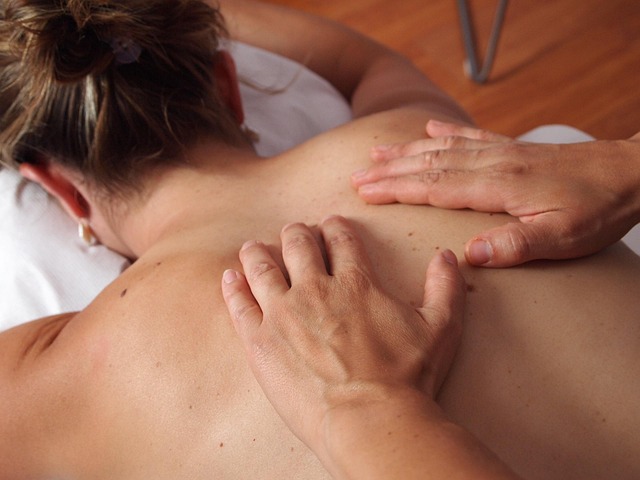
Many people turn to at-home care as a gentle approach to prevent and manage skin tags, often seeking a more natural alternative to harsher removal methods. While over-the-counter treatments are readily available, a gentle skin tag removal method naturally can be just as effective in minimizing their appearance without resorting to aggressive procedures. The key lies in understanding the root causes of skin tags and adopting proactive skincare habits.
In cities like Oxford, Manchester, and Preston, where specialized skin tag clinics thrive, patients often seek advice on maintaining healthy skin. A gentle approach starts with regular exfoliation to remove dead skin cells and unclog pores. This process can be facilitated by using a mild, natural scrub or even a simple washcloth to gently rub away rough patches. Additionally, keeping the skin hydrated is paramount. Applying moisturizing creams or oils after exfoliation helps replenish moisture, promoting skin cell turnover and reducing the likelihood of tag formation.
Diet plays a significant role too. A balanced diet rich in vitamins, minerals, and antioxidants supports overall skin health. Foods high in vitamin C, for instance, have been linked to improved collagen production, which strengthens the dermis and may prevent tags from forming or growing back after removal. Incorporating such foods as citrus fruits, peppers, and broccoli into your diet can offer a gentle yet powerful way to manage skin tags naturally. Moreover, staying active and maintaining a healthy weight is beneficial, as excess weight can lead to increased skin friction, contributing to tag development.
While at-home care offers a gentle solution, it’s essential to consult professionals like those at Preston Skin Tag Clinic for personalized advice. They can guide individuals on specific products and techniques tailored to their needs, ensuring the best possible outcomes without resorting to harsh methods.
Surgical Options: When is it Necessary?
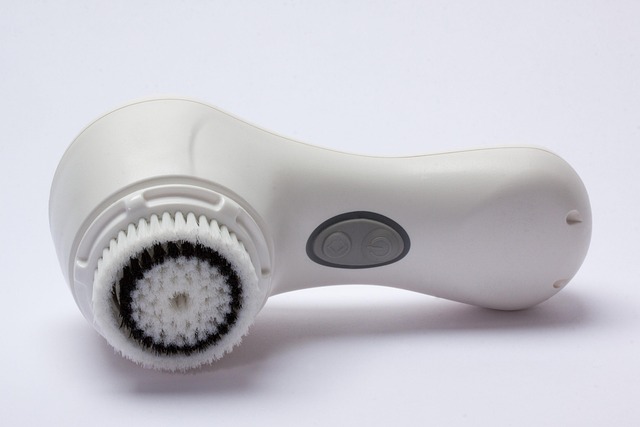
When considering skin tag removal, understanding when surgical options are necessary is crucial for effective and safe decision-making. While there are various gentle skin tag removal methods available, including natural approaches that promote at-home care, certain conditions may require more aggressive intervention. Surgical options for skin tag removal should be considered as a last resort or when other treatments have proven ineffective.
For instance, individuals with numerous skin tags across extensive areas of their body might find it challenging to manage them with non-surgical methods. In such cases, Bolton Skin Tag Clinic, Cardiff’s trusted skin tag removal specialists, and Chelmsford Skin Tag Clinic offer advanced surgical procedures designed to address these concerns effectively. These clinics employ skilled dermatologists who specialize in precise excision techniques, ensuring minimal scarring and quick recovery times.
Surgical removal is particularly indicated for tags that are large, persistent, or causing discomfort or pain. A specialist will assess the skin tag’s size, location, and individual patient needs before recommending an appropriate surgical procedure. Common surgical options include lancing, cutting, or freezing (cryosurgery), each tailored to suit the specific characteristics of the skin tag. It’s essential to consult with a reputable clinic like those mentioned above, where experts can guide patients through the process, addressing any concerns and offering personalized advice for optimal results.
Choosing the Best Method for Your Skin's Health

When considering skin tag removal, choosing a method that prioritises your skin’s health is paramount. While quick fixes may seem appealing, opting for a gentle approach can lead to better long-term outcomes and minimal risk of complications. This is especially crucial in regions like Bristol, Wolverhampton, or St Helens where specialized clinics offer diverse treatment options.
The harshness of conventional removal methods, which often involve cutting or burning, can cause skin irritation, scarring, and even infection. In contrast, gentle skin tag removal methods focus on natural solutions that target the root cause without damaging surrounding tissue. For instance, a study published in the Journal of Dermatology found that certain natural treatments can be as effective as surgical excision while causing less discomfort and side effects. Consider topical creams containing salicylic acid or essential oils, which can gently dissolve skin tags over time, keeping your skin intact.
Alternatively, non-invasive procedures like cryotherapy (freezing) or laser treatment offer precise targeting without the trauma of sharp instruments. These methods are widely available at reputable clinics across the UK, including those in Bristol, Wolverhampton, and St Helens. For instance, a study by the British Journal of Dermatology highlighted the success rates and patient satisfaction with cryosurgery for skin tag removal, making it a preferred choice for many seeking minimal-touch solutions.
Ultimately, the best method for you depends on your skin’s sensitivity, the number and size of tags, and personal preferences. Consulting with professionals from St Helens skin tag clinic or similar experts in your area can provide tailored advice. They may recommend a combination of gentle techniques or guide you toward innovative, yet safe, removal options, ensuring your skin remains healthy and radiant after treatment.
In navigating the removal of skin tags, understanding both gentle and harsh methods is crucial. The article has provided an authoritative guide, highlighting that while harsh techniques exist, a gentle skin tag removal method naturally can be highly effective and beneficial for overall skin health. Exploring natural options first, such as essential oils and salicylic acid, offers a less invasive approach with minimal side effects. On the other hand, harsh methods like cryotherapy or surgery have their pros and cons, including potential pain and scarring. At-home care emphasizing gentle prevention is recommended for routine management. However, surgical intervention may be necessary for persistent or unsightly tags. Ultimately, choosing the best method requires consideration of skin type, tag size, and personal preferences, ensuring optimal skin health and addressing concerns effectively.